
NYC generally requires an 8-foot solid construction fence around new buildings, demolition sites, open excavations and extensive alterations. The NYC Department of Buildings (DOB) approves chain link only on certain sites. We’ll tell you which rule fits your site, then install the fence and remove it when DOB allows.
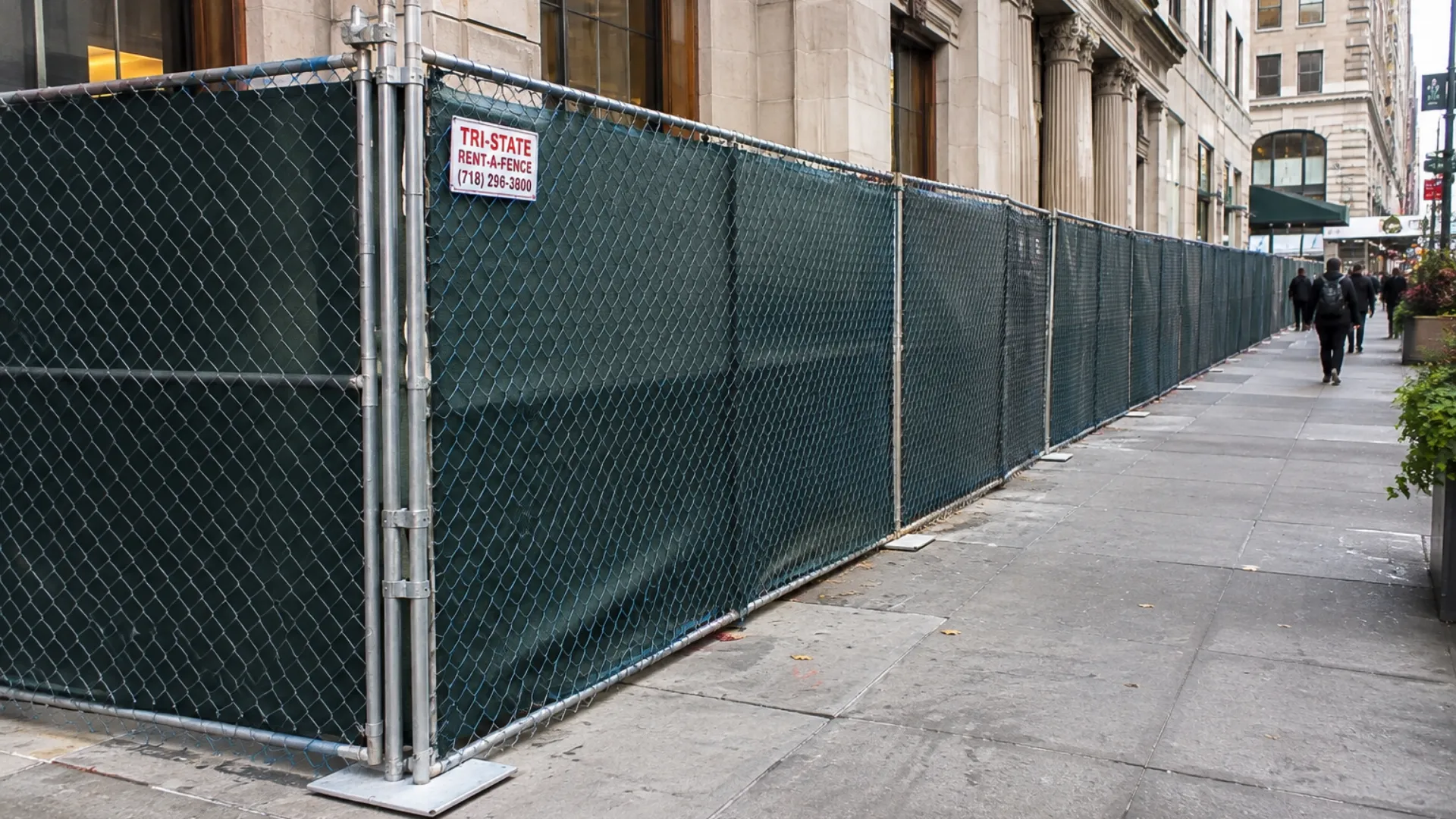
Our temporary fencing rental covers new buildings, demolitions, stalled sites and shorter jobs across NYC. We put up solid construction fences and chain-link fencing with opaque screening. DOB’s rules for your site set which one goes up.
You can rent temporary fencing from us for any of these:
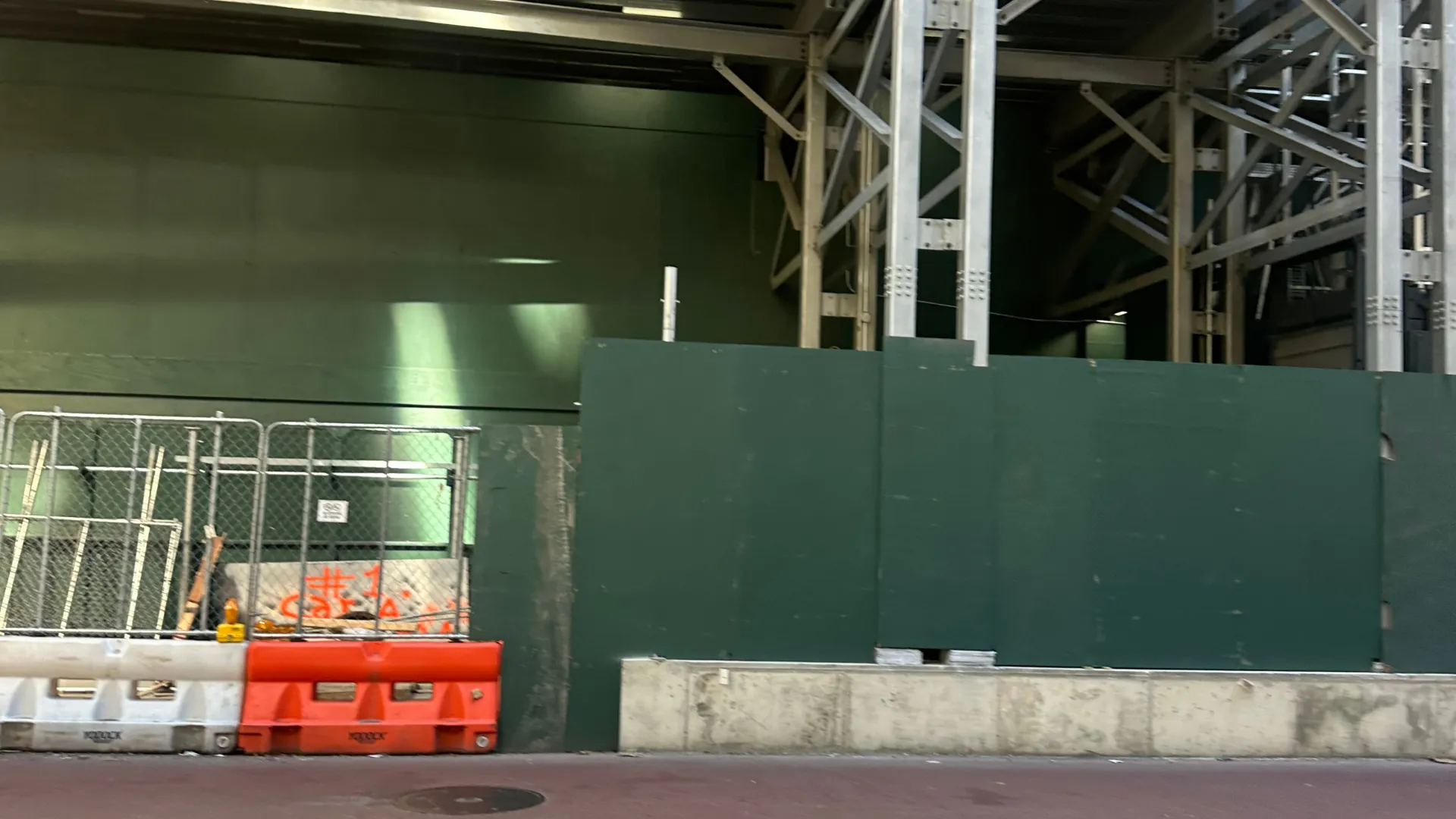
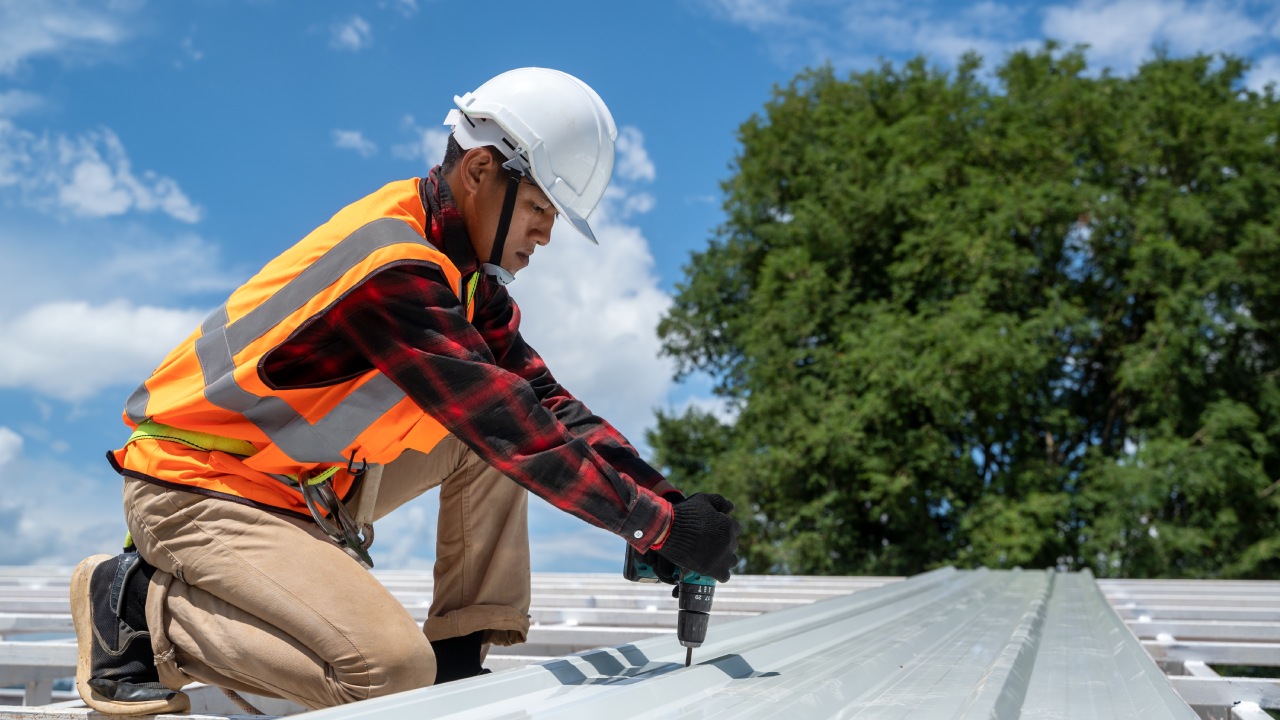
Check these before you book a temporary fencing rental anywhere in NYC. DOB enforces most of them under section 3307.7 of the NYC Building Code. The NYC Department of Transportation (DOT) covers the sidewalk and street.
A construction fence must stand at least 8 feet high. Outside the chain-link cases below, it has to run solid for its whole length. Any suitably rigid, strong material qualifies, such as wood or corrugated metal. Solid fences can be hunter green, metallic gray or white.
At an existing building, the fence can also match the facade, trim or cornice, or the roof if it’s sloped and visible from the street. That option doesn’t apply to full demolitions or major alterations. The whole fence, gates included, has to be one color, and it has to match any sidewalk shed on the site.
| Your site | Fence the city requires |
|---|---|
| New building, demolition, open excavation or extensive alteration | Solid fence, at least 8 feet high |
| Stalled, abandoned or discontinued site, once a registered design professional certifies that crews removed or secured all hazardous equipment and materials | DOB may approve chain link |
| One- to three-family building, or commercial building 40 feet or less, set back 15 feet from the sidewalk and 5 feet from adjoining structures | DOB may approve chain link |
Where DOB allows chain link, the fence has to use new or good-condition galvanized steel. Opaque, sturdy cloth has to cover the fence and its gates. At a stalled site, a solid fence has to replace the chain link before work resumes.
Gates go in only where you need access, and on a solid fence they use the same solid material, sliding or swinging inward. DOB also wants 12-by-12-inch viewing panels 3 to 6 feet off the ground. You need one for every 25 feet of frontage, with at least one on each frontage. Every side facing a street gets a project information panel 4 feet above grade. One- to three-family sites follow a separate sign rule instead.
If a building or site turns unsafe, you don’t have to wait for a permit. A licensed contractor can put up an emergency fence before the permit. The filing is due within 2 business days after the work starts and has to describe the emergency and the steps taken to make the site safe.
A fence that reaches more than 3 feet from the property line needs a DOT temporary partial sidewalk closing permit. If a 5-foot clear path can’t be kept open, you need a full sidewalk closing permit. A fence that runs into the roadway needs its own DOT permit. Either way, pedestrians need a safe way past the site.
Not sure which row your site falls in? Call (929) 837-3852 and tell us what you’re building and how tall it gets.
Fencing steers pedestrians around the site. Where the edge meets moving traffic, we add jersey barriers to the same job.
When a facade job needs a staging area, the fence can enclose it beside one of our sidewalk sheds. Hitech Scaffolding & Sidewalk Shed puts up the facade scaffold on the same job.
More than fencing on this site? One quote covers all of it.
Each construction site fence rental stays with one Hitech Scaffolding & Sidewalk Shed team until the fence comes down.
Tell us where the site is and how many feet of fence you need. We’ll plan the fence line, then price it.
Our crew installs the fence along the route you signed off on.
Mid-job questions go to the team that quoted and installed your fence.
The fence stays up until the work is complete and the code’s removal conditions are met. Our team then takes the fence down and clears the site.
Every fence quote starts from the length of the line. These details move it from there:
Get a fencing quote and you’ll see each line priced.
Have fence drawings from your engineer? Send them with your quote request, and we’ll price the fence line they show.
At least 8 feet. Around a new building, a full demolition, an open excavation or another public hazard, it also has to be solid from end to end. Chain link is allowed only on certain sites.
Usually within a few hours of the DOB work permit being issued. If the fence reaches more than 3 feet from the property line, the DOT permit has to be in hand too. Put your start date at the top of your quote request, and we’ll have the crew ready. If the site turns unsafe, an emergency fence can go up first, with the DOB filing due within 2 business days after the work starts.
Only on certain sites. DOB may approve it at a stalled or abandoned site once a registered design professional certifies that all hazardous equipment and materials are removed or secured. If work has stopped for 2 years in a row, chain link is required. DOB can also approve it at a one- to three-family building, or a commercial building 40 feet or less, set back 15 feet from the sidewalk and 5 feet from adjoining structures. Opaque cloth has to cover the fence.
Yes. A registered design professional usually files the fence plans for DOB approval. A licensed contractor can file in limited cases: a fence that follows an approved Board of Standards and Appeals design, or a fence at a one- to three-family building where the code allows it. The licensed or registered contractor then gets the work permit, which has to hang where people can see it. Emergency fences can go up first, with the application due within 2 business days.
Not for the fence alone. DOB requires no special or progress inspections for temporary construction fences. The demolition or new building behind the fence may need DOB inspections of its own.
Up to 3 feet from the property line without a DOT permit, as long as 5 feet of clear sidewalk stays open. Past 3 feet, you need a DOT temporary partial sidewalk closing permit. If 5 feet of clear sidewalk can’t stay open, you need a full sidewalk closing permit. A fence in the roadway takes a separate DOT permit.
Mainly the length of the line, the fence type your site needs, gates and screening, and how long the fence stays up.
The address, a rough length, the site type, the building type and height, how many gates you need and your start date.
DOB expects the construction fence in place before the project work begins. Put your start date at the top of your quote request. Hitech Scaffolding & Sidewalk Shed dates to 2007 and carries $2M in general liability insurance. An OSHA-trained crew installs each fence. For the rest of the site, see all services.