
HitechSidewalk Shed & Scaffolding sets up and takes down scaffolding on Staten Island, from one- and two-family houses to low-rise and commercial buildings. One team runs each job from erection to removal. Our Staten Island work includes an installation on Eltingville Boulevard in 2017.
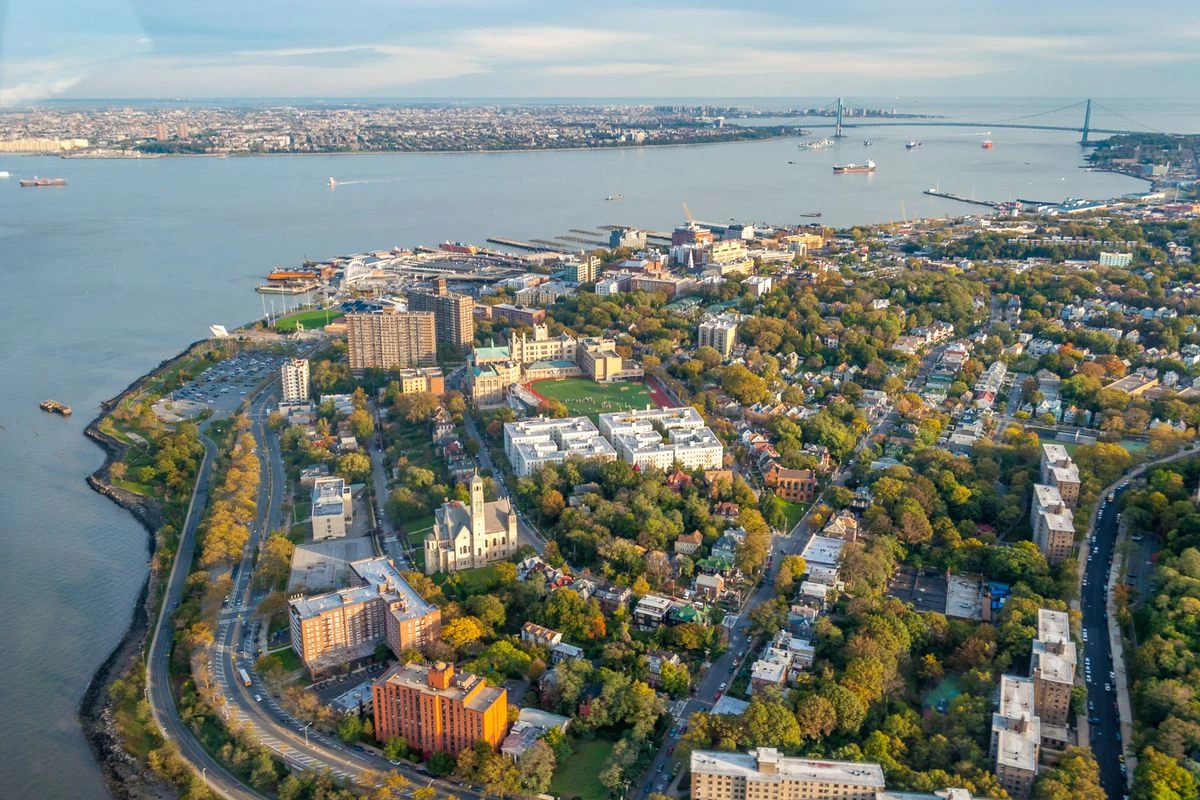
Staten Island is a borough of houses. The Citizens Housing & Planning Council’s analysis of the 2023 NYC Housing and Vacancy Survey found that 83 percent of its housing units sit in one- or two-family homes. Many jobs here are exterior repairs on houses and small buildings, and each one needs a scaffold set up, kept sound and taken down.
Siding, roofing, painting, gutters and masonry keep crews on the wall for days or weeks. We install the scaffold and remove it when the work ends.
Storefronts, small apartment buildings and commercial buildings need the same setup, and some also need a shed or a fence. For jobs that run for months, see our scaffolding rental page.
257 Eltingville Blvd, Staten Island, NY 10312. Scaffold installation, 2017.
We installed scaffolding at this address in 2017, an example of our past work on the island.
Height decides the scaffold permit question, and many house-height scaffolds fall under DOB’s 40-foot line. Under Building Code 3314.2, DOB does not require a permit for a supported scaffold that meets all four conditions:
Taller supported scaffolds need a DOB permit, filed in DOB NOW: Build. Even when no permit applies, the Building Code’s safety rules still apply: a competent person supervises the installation, maintenance and removal, and inspections continue while the scaffold stands.
A sidewalk shed follows a separate rule. Every shed requires a DOB permit, and a shed may be required when scaffolding or overhead work affects the public sidewalk. The requirement depends on the work and site conditions. A house set back behind its own yard may keep the scaffold on private ground, and then the shed question never comes up.
| Your job | Usual setup | What decides the permit |
|---|---|---|
| Siding, painting or masonry on a flat wall | Frame scaffolding | Height, hoist rating and design load (BC 3314.2) |
| A wall with dormers, bays, porches or a stepped roofline | Pipe scaffolding | The same four conditions |
| Scaffold over the public sidewalk | A sidewalk shed under it | A DOB permit for the shed |
| A vacant lot or open site | Temporary fencing | NYC's default construction fence is solid and at least 8 feet high |
Tell us the address and how tall the house is, and we’ll tell you what the job needs.
An Independent Budget Office analysis of data through 2021 found that sidewalk shed counts rose significantly in Staten Island, Queens and the Bronx, as 6sqft reported. If your project involves scaffolding or overhead work above a public sidewalk, check whether a sidewalk shed is required under NYC DOB rules. Read our sidewalk shed rules guide for more detail.
We install sidewalk sheds under scaffolds, set jersey barriers between traffic and a work zone, and put up temporary fencing around a lot or yard.
Yes. We installed scaffolding at 257 Eltingville Blvd, Staten Island, NY 10312, in 2017.
Frame scaffolding often suits a regular, flat wall, and pipe scaffolding suits irregular shapes such as bays, dormers or a stepped roofline. We recommend one in your quote after we see the building. See frame scaffolding and pipe scaffolding.
Yes. We install sidewalk sheds, jersey barriers and temporary fencing alongside the scaffold.
Send the address, the building type and height, the sides that need scaffolding, your start date and how long the work runs.
Send us the property address, building height and the access you need, and we’ll review the project and prepare a scaffolding quote.